If you’ve ever stood in your bathroom staring at your shower and thought, “There’s no way this should be this complicated…” — trust me, you’re in good company. Designing a new shower can feel like trying to solve a puzzle with pieces from five different boxes.
Tile, stone, valves, niches, plumbing, waterproofing… and don’t even get me started on drain placement.
But here’s the good news:
With the right plan — and the right contractor — you can turn that confusing puzzle into a space that’s beautiful, functional, and built to last for decades.
Whether you’re in Ooltewah with its newer homes and slab foundations, or up on Signal Mountain, where older raised foundations are more common, the steps are the same… but the strategy changes.
Let’s walk through it together.
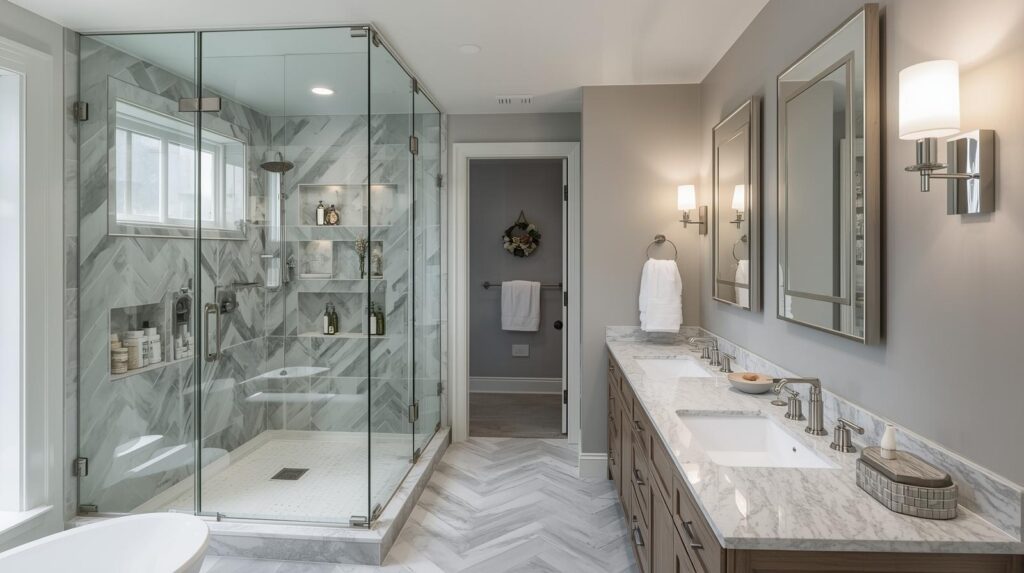
Start With the Space You’ve Actually Got
A lot of homeowners ask the same question:
“Can I make my shower bigger?”
Sometimes yes. Sometimes no. And sometimes, well… maybe.
Most bathrooms — especially production homes in places like Ooltewah — were designed to fit a toilet, a vanity, and a modest shower or shower/tub combo. That means expanding requires a little detective work.
Here’s the quick breakdown:
A. Slab Foundations (common in Ooltewah)
If you’re on a slab, moving plumbing is possible but more involved.
You’re talking about:
-
Saw-cutting the concrete
-
Relocating waste lines
-
Ensuring proper slope (“fall”) so everything drains like it should
Not impossible — just something you want a contractor who’s been around the block to handle. We’ve opened enough slabs to know what surprises like to hide in them.
B. Raised Foundations (common on Signal Mountain)
If you’ve got a crawlspace or basement under the bathroom, moving plumbing becomes much easier.
Faster.
More cost-friendly.
Less “I hope this goes well” energy.
A Quick Insider Tip
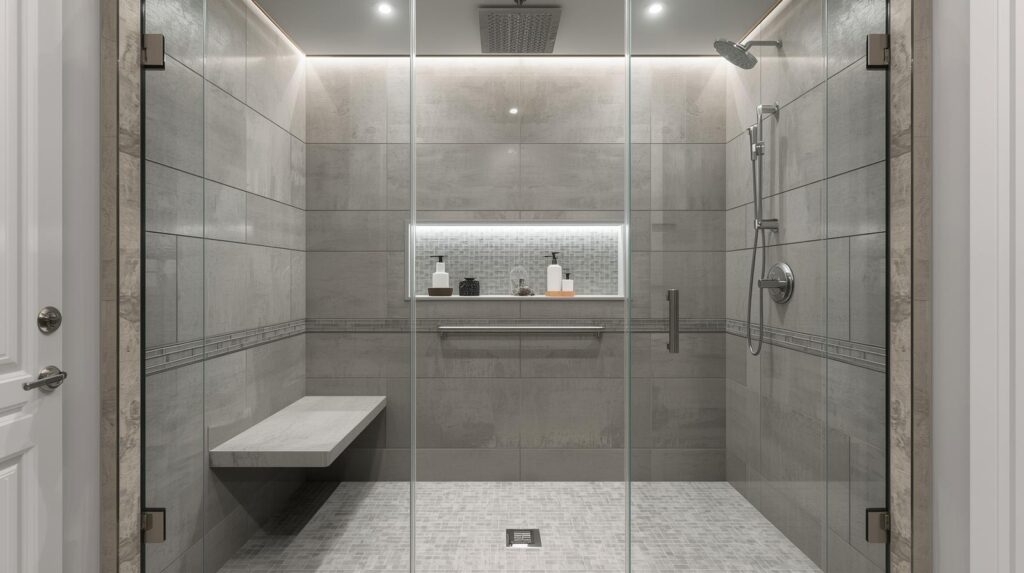
Before the walls close up, add blocking for towel bars, hooks, or grab bars.
Do it now, or you’ll be cutting open finished walls later — and nobody wants that phone call.
Get the Shower Valve Right (It’s More Important Than You Think)
Once the framing is complete, the plumber sets the shower valves exactly where you want them.
Rain head?
Handheld?
Steam generator valve?
That magical spot where the water turns on without you getting blasted in the face?
All of that gets decided now.
Just remember one thing many homeowners never hear:
Tile and stone add thickness.
About 1½ inches, depending on what you choose.
If the plumber sets a valve too shallow or too deep, the trim may not “grab” correctly — and that turns into a headache later.
While the walls are open, it’s also the perfect time to frame:
-
Shower niches
-
Benches
-
Recesses
-
Any “Can we add this?” idea you’ve been saving on Pinterest
If you wait, it’s too late.
The Unsung Hero: Waterproofing
Let me tell you something I’ve learned after decades in this business:
A shower can look like it belongs in a magazine…
…but if it leaks, what’s the point?
Waterproofing is where cheap remodels usually cut corners — and where Peaceful Haven Homes refuses to.
You’ve generally got three paths:
1. Prefabricated Shower Pan
Made from acrylic, fiberglass, or enamel steel.
Fast, clean installation.
Great for budgets or standard sizes.
2. Hot Mop
Layers of hot tar and roofing felt — a tried-and-true method.
Smells… intense.
Works like a charm.
3. Liquid or Sheet Waterproofing
Applied on walls and floors by the tile contractor.
Ideal for custom showers, niches, and benches.
Whichever path you choose, proper slope is non-negotiable. Water should always move toward the drain, not sit around like it’s waiting for a ride.
Tile, Stone, and the “What Should We Use?” Dilemma
This is the fun part — but it’s also where homeowners in Ooltewah and Signal Mountain tend to get stuck.
Let’s break it down:
Tile
-
Most cost-friendly
-
Tons of styles
-
Choose your grout early to avoid delays
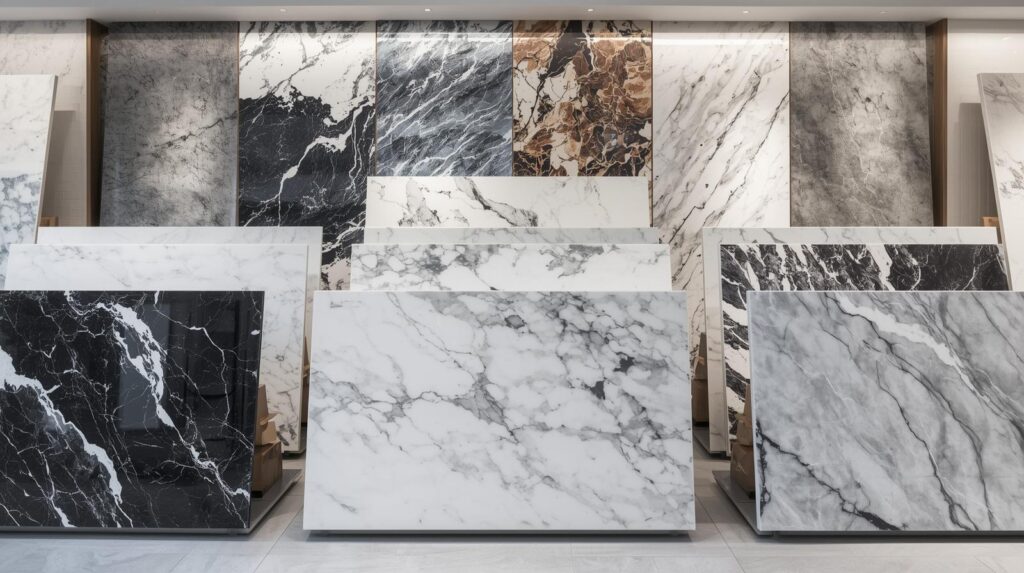
Natural Stone
-
Looks incredible
-
Costs more due to veining and waste
-
“Book matching” slabs can seriously elevate a bathroom
-
You’ll need to pick the exact slabs (worth it, though)
Fabricated / Engineered Stone (like Caesarstone)
-
Beautiful and consistent
-
More budget-friendly than natural
-
No “surprise” veining around the corner
Floor note:
A single stone slab won’t work because you need drainage, so the material gets cut into smaller pieces.
Unless you go with a prefabricated shower pan — then you skip tile on the floor entirely.
Don’t Forget the Shower Door
Frameless?
Sliding?
Grid style?
Partial screen?
There are more options than flavors at an ice cream shop.
Your general contractor or a local glass company can help you sort through all of them without losing your mind.
So… Is a Custom Shower Worth It?
Absolutely — if it’s done right.
Showers are one of the most valuable upgrades you can make to your home. Any realtor in Ooltewah or Signal Mountain will tell you the same thing:
Updated kitchens and bathrooms sell homes.
But beyond resale value?
A well-designed shower makes everyday life better. It’s your quiet place. Your steam-filled sanctuary. Your “I finally get five minutes to myself” moment.
And you deserve to enjoy it.
A Final Word From Your Friendly Neighborhood Contractors
At Peaceful Haven Homes, we help homeowners make smart renovation decisions — not rushed ones.
We’ve seen every kind of shower challenge you can imagine.
We’ve also fixed plenty of “budget remodels” that weren’t so budget after all.
If you’re in Ooltewah or Signal Mountain and you’re thinking about designing or upgrading your shower, we’d be glad to walk through the process with you — no pressure, no fluff, no sales pitch.
Just honest guidance from folks who care about getting it right.
Whenever you’re ready, we’re at Peaceful Haven Homes will be here.